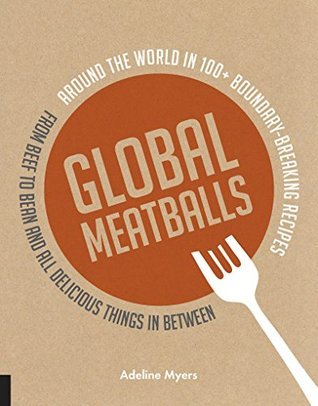
Global Meatball Odyssey: Exploring Diverse Cultural Adaptations and Flavors
From humble origins to a celebrated global dish, the meatball transcends mere ground meat. It's a culinary chameleon, adapting its form, flavor, and function to countless cultures across continents. This beloved staple, made from ground meat mixed with binders and seasonings, then formed into spheres and cooked, holds a universal appeal for its versatility, comfort, and remarkable diversity. Join us on a flavorful journey as we explore the fascinating history, essential techniques, and myriad cultural adaptations of the humble yet mighty meatball.
The Ancient Roots of the Humble Meatball
The story of the meatball is far older and more storied than many might imagine, with its origins tracing back to ancient civilizations. The earliest known precursor emerged in ancient Persia, where it was known as kofta. These foundational meatball dishes, made from ground meat (often lamb) mixed with grains or lentils and seasoned with aromatic spices, predate the 7th century AD. The very term "kofta" derives from the Persian word for "pounded meat," a testament to the meticulous preparation involved in grinding and forming these flavorful mixtures into spherical or cylindrical shapes. This Persian innovation was pivotal, marking a shift towards more defined, compact forms distinct from flatter patties, and its influence spread widely across the Middle East, North Africa, Greece, and eventually to Spain, carried by bustling ancient trade routes.
Not to be outdone, ancient Rome developed its own take on minced meat preparations. The esteemed Apicius cookbook, a culinary compilation from the 4th or 5th century AD, details recipes for isicia omentata. These early Roman meatballs involved minced meat, often pork or chicken, mixed with wine-soaked bread, pine nuts, garum (a fermented fish sauce), and various spices. They were frequently wrapped in caul fat, a thin membrane, to retain moisture and enhance flavor during cooking, typically simmered in reduced grape juice. These ancient Roman and Persian innovations laid the groundwork for countless modern variations, demonstrating that the desire to create tender, flavorful morsels from ground meat is a truly timeless culinary pursuit. For a deeper dive into these fascinating beginnings, explore The Ancient Origins of Meatballs: From Persian Kofta to Roman Isicia.
Crafting the Perfect Meatball: Techniques for Tenderness and Flavor
While meatballs boast incredible diversity, the core principles for achieving tenderness and maximum flavor remain universally important. Mastering these techniques is the key to creating truly irresistible meatballs, no matter the cultural interpretation.
Selecting and Blending Your Ground Meat
The foundation of any great meatball is, naturally, the meat itself. While you can certainly make delicious meatballs with just one type of ground meat, many chefs and home cooks swear by a blend. A popular choice, especially in Italian-American traditions, combines ground beef, pork, and veal.
- Ground Beef: Provides a robust, savory base. Using ground beef with an 80/20 fat-to-lean ratio is ideal, as the fat renders during cooking, keeping the meatballs moist and flavorful.
- Ground Pork: Adds richness, moisture, and a slightly different savory note. Pork fat is particularly good at preventing dryness.
- Ground Veal: Contributes a delicate texture and a milder flavor, making the overall blend more tender and refined.
This trifecta offers a balanced flavor profile and ensures a juicy, tender result. However, feel free to experiment with other meats like lamb, turkey, or chicken, adjusting for their fat content and adding extra moisture if needed.
The Magic of Binders and Seasonings
Binders are crucial for holding the meatballs together and contributing to their texture. The most common binders include:
- Breadcrumbs: Often considered non-negotiable, breadcrumbs (preferably fresh) are soaked in milk or water to create a *panade*. This mixture absorbs moisture, which then gets released during cooking, keeping the meatballs incredibly tender and preventing them from becoming dense or tough. The choice between fresh and dried breadcrumbs can make a significant difference; fresh breadcrumbs absorb more liquid and contribute to a softer texture.
- Eggs: Act as a binding agent, helping to hold the mixture together while adding richness and preventing the meatballs from drying out.
Beyond binders, the right seasonings are vital for infusing flavor. Fresh ingredients like minced garlic, finely chopped onion or shallots, and fresh herbs such as Italian flat-leaf parsley are indispensable. Ground black pepper, a touch of salt, and freshly grated Parmesan or Pecorino Romano cheese can elevate the flavor profile considerably. Resist the urge to use pre-grated, canned cheese; freshly grated cheese melts better and offers a superior, more authentic taste.
Mixing and Forming for Optimal Texture
One of the most critical steps in meatball preparation is the mixing process. The golden rule is simple: do not overmix! Overworking the meat mixture can activate the proteins, leading to a tough, rubbery texture. Instead, gently combine all ingredients until just incorporated. Using your hands allows for better feel and prevents over-mixing. Once formed, uniform ball size is important for even cooking. Many chefs recommend resting the formed meatballs in the refrigerator for at least 30 minutes before cooking. This allows the flavors to meld and helps the meatballs hold their shape better.
Cooking Methods for Diverse Results
The way you cook your meatballs significantly impacts their final texture and flavor:
- Pan-Frying: This method creates a beautifully crispy, browned exterior, adding a delicious depth of flavor through the Maillard reaction. It's often used as an initial step before simmering in sauce.
- Baking: For a hands-off approach and more even cooking without constant attention, baking in the oven is an excellent choice. It results in a tender interior and a less intensely browned exterior.
- Simmering/Poaching in Sauce: Dropping raw or lightly seared meatballs directly into a simmering sauce (like marinara or broth) allows them to cook through while absorbing the rich flavors of the liquid. This method yields exceptionally moist and flavorful results, often without the need for additional oil.
For more detailed advice on perfecting your meatball technique, check out Mastering Meatballs: Tips for Tender, Juicy, and Flavorful Results.
A World of Meatballs: Global Culinary Adaptations
The beauty of the meatball lies in its universal adaptability. While the core concept of seasoned ground meat balls remains, each culture infuses its unique ingredients, spices, and cooking traditions, creating a dazzling array of distinct dishes.
European and Middle Eastern Delights
- Italian Polpette: In Italy, meatballs (polpette) are typically smaller than their Italian-American counterparts and are often served as an appetizer, a main course, or in a rich ragù (meat sauce). While many associate them with spaghetti, authentic Italian cuisine often features them separately or with other pasta shapes. The Italian-American dish of spaghetti and meatballs, a phenomenon of the early 20th century, emerged as an adaptation by immigrants seeking to combine abundant, affordable ingredients into hearty, satisfying meals.
- Swedish Köttbullar: Perhaps most famously associated with a certain flat-pack furniture store, Swedish köttbullar are typically made from a blend of ground pork and beef, seasoned with onion, allspice, and sometimes a touch of nutmeg. They are characteristically small, pan-fried, and served with a creamy gravy, boiled potatoes, and tart lingonberry jam, offering a delightful sweet-savory contrast.
- Spanish Albóndigas: Influenced by Berber cuisine, Spanish albóndigas are found across the country, often served as tapas. These flavorful meatballs can be made with beef, pork, or even fish, and are commonly simmered in a variety of sauces, from spicy tomato broths to rich almond-based concoctions.
- Persian/Middle Eastern Kofta: The ancestral kofta has evolved into countless regional variations. Beyond the early Persian grain-and-meat balls, kofta can be found grilled on skewers (like in kebabs), stewed in aromatic sauces, or even served as an accompaniment to rice. Spices vary widely, from sumac and mint in some regions to more complex blends in others, reflecting the rich spice traditions of the Middle East.
Asian Interpretations and Beyond
The meatball's journey extends far into Asia, taking on fascinating new forms:
- Chinese Lion's Head Meatballs: These substantial pork meatballs, named for their resemblance to a lion's head, are often braised in a savory sauce with napa cabbage, creating a wonderfully tender and rich dish. They are a staple of Huaiyang cuisine.
- Japanese Tsukune: Typically made from ground chicken, these meatballs are often grilled on skewers, glazed with a sweet and savory tare sauce (soy sauce, mirin, sake, sugar), and are a popular item at izakayas (Japanese pubs).
- Vietnamese Nem Nuong / Nem Chua: While nem nuong are grilled pork meatballs often served with vermicelli bowls or lettuce wraps, nem chua represents a unique fermented pork meatball, known for its distinctive sour and spicy flavor.
- Indian Kofta Curry: In India, kofta can refer to a variety of meat or vegetable balls simmered in rich, aromatic curries, showcasing the region's mastery of spice blending.
These examples barely scratch the surface, but they highlight how local ingredients, culinary techniques, and historical interactions have shaped the meatball into a beloved and ubiquitous dish worldwide.
The Modern Meatball: Innovation and Enduring Appeal
In contemporary cuisine, the meatball continues to evolve. The rise of plant-based diets has led to a boom in vegetarian and vegan meatballs, crafted from ingredients like lentils, mushrooms, chickpeas, or innovative plant-based meat alternatives. These modern adaptations aim to replicate the satisfying texture and savory umami of traditional meatballs while catering to diverse dietary needs.
Gourmet chefs experiment with exotic meats, fusion flavors, and innovative cooking methods, elevating the humble meatball to fine dining status. Yet, despite these innovations, the meatball's enduring appeal lies in its fundamental qualities: it's comfort food at its best, endlessly customizable, perfect for batch cooking and freezing, and a satisfying centerpiece for any meal, from a casual weeknight dinner to a celebratory feast.
The global meatball odyssey reveals a universal truth: simple ingredients, expertly combined and lovingly prepared, can transcend cultural boundaries and create dishes that resonate with people across the globe. From ancient Persian kofta to modern plant-based marvels, the meatball truly is a testament to culinary ingenuity and the shared human joy of good food.
